Is historical hybrid zone movement underappreciated?

38 JBI
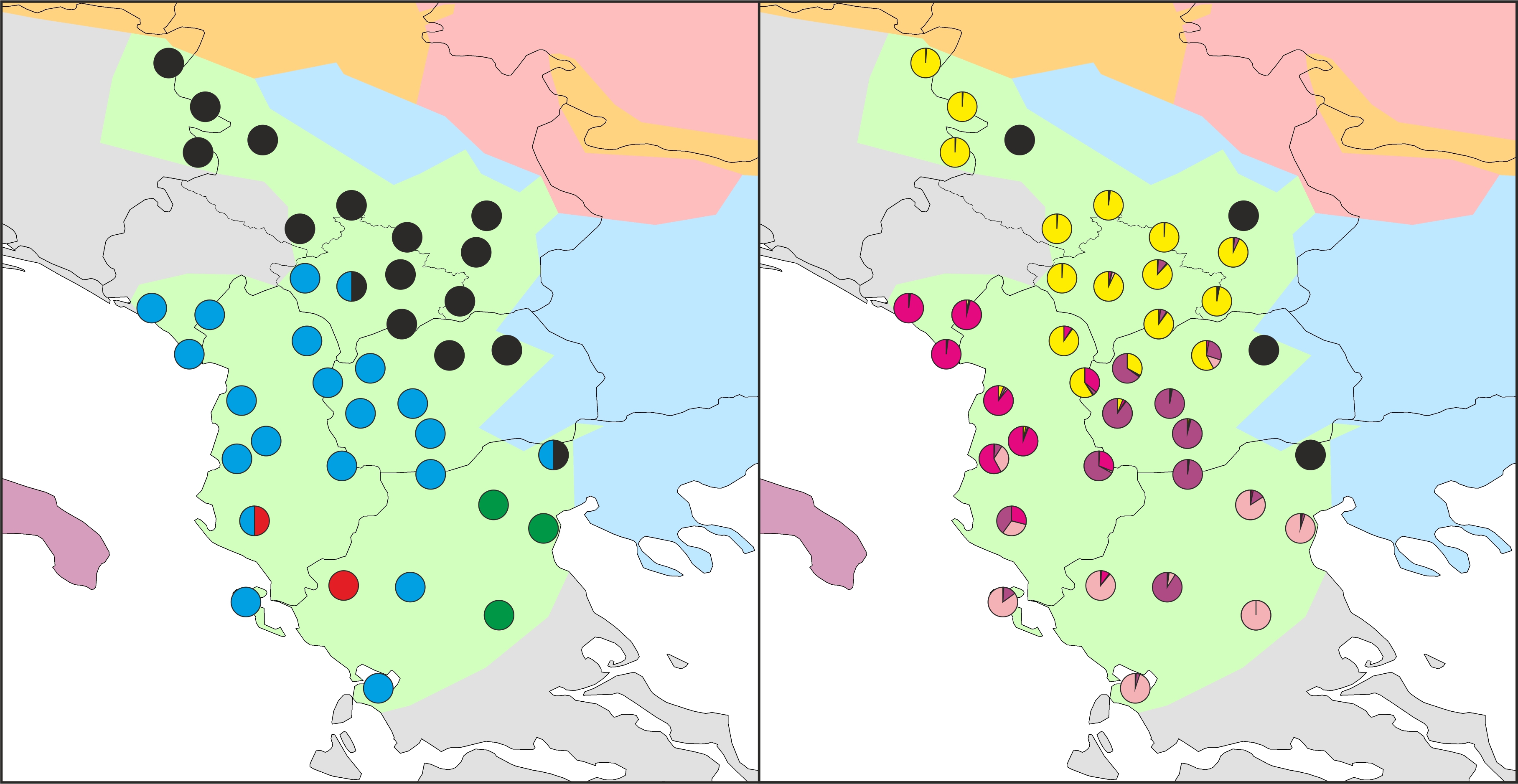
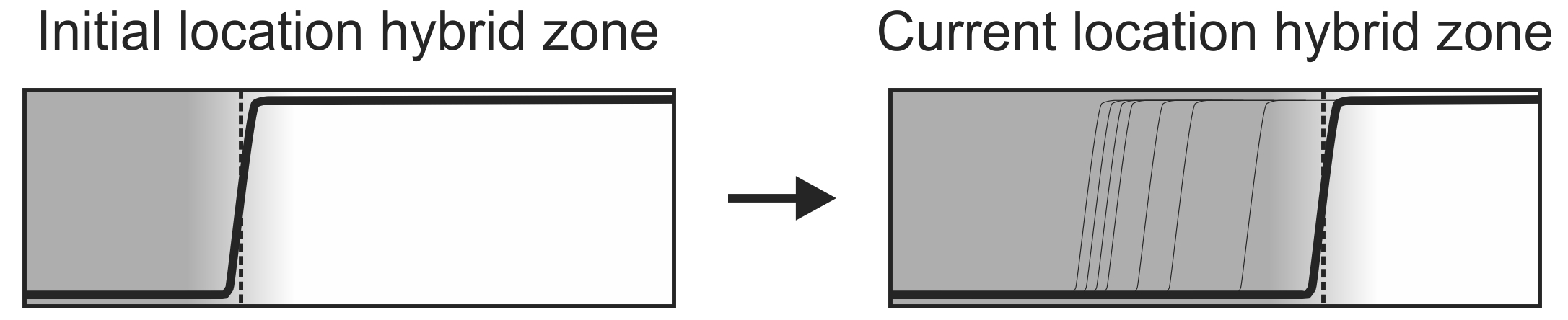
Two crested newt studies, previously highlighted here and here, support historical hybrid zone movement – movement on the scale of hundreds of kilometers and spanning multiple millennia. Before these crested newt examples, little to no empirical evidence for historical hybrid zone movement was available. Does this mean that crested newt hybrid zones are particularly dynamic? Or has the prevalence of historical hybrid zone movement in other systems simply been overlooked? In a perspective piece in Journal of Biogeography I argue the latter: historical hybrid zone movement is likely to be more common than currently appreciated.

Reference: Wielstra, B. (2019). Historical hybrid zone movement: more pervasive than appreciated? Journal of Biogeography 46(7): 1300-1305.

MSCactions

This project has received funding from the European Union’s Horizon 2020 research and innovation programme under the Marie Skłodowska-Curie grant agreement No. 655487.
Posted in Uncategorized | 2 Comments

Cracking cryptic banded newt species

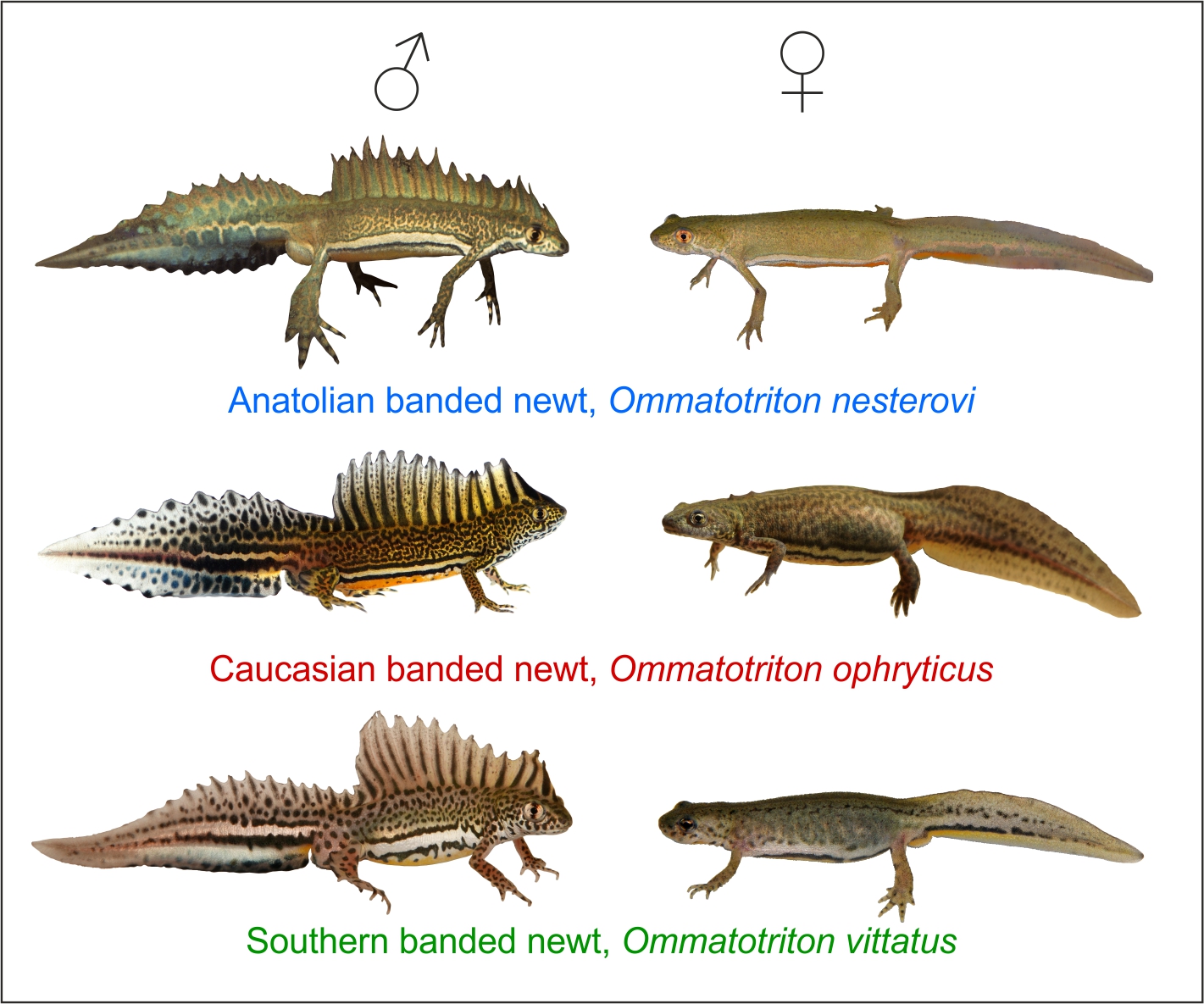
Genetic studies in the family Salamandridae have regularly revealed cryptic species – genetically distinct species that previously went unrecognized due to their morphological similarity. The most recent salamandrid example is provided by the banded newts (genus Ommatotriton). While the split between the southern banded newt (O. vittatus) versus ‘O. ophryticus’ is generally accepted, this is not the case for the further split of the latter taxon into the Caucasian banded newt (O. ophryticus sensu stricto) and the Anatolian banded newt (O. nesterovi). From morphology O. vittatus is known to be distinct, but no differences are known to separate the other two banded newt species.

38 Omma
Pictures of the three banded newt species, courtesy of Michael Fahrbach, Sergé Bogaerts, and the late Bayram Göçmen and Max Sparreboom. The vernacular names are newly proposed in this study.

Based on a superficial inspection of photographs, it seemed to me that two ‘band’ characters might be useful for species identification. Now, based on a survey of almost 700 museum specimens, we show in a paper in Salamandra that in O. nesterovi the lateral white band generally I) continues from the front limbs up to the eye and II) is interrupted by large specks on the tail, while this is generally not the case in O. ophryticus (see the figure above). In the third member of the genus, O. vittatus, both character states for each ‘band’ character occur at similar frequency, but the lateral white band is considerably broader compared to the other two species. Hence, all three banded newt species can be identified from morphology.

Reference: Üzüm, N., Avcı, A., Olgun, K., Bülbül, U., Fahrbach, M., Litvinchuk, S.N., Wielstra, B. (2019). Cracking cryptic species: external characters to distinguish two recently recognized banded newt species (Ommatotriton ophryticus and O. nesterovi). Salamandra 55(2): 131-134.

MSCactions
This project has received funding from the European Union’s Horizon 2020 research and innovation programme under the Marie Skłodowska-Curie grant agreement No. 655487.
Posted in Uncategorized | 3 Comments

Quick guide on crested and marbled newts

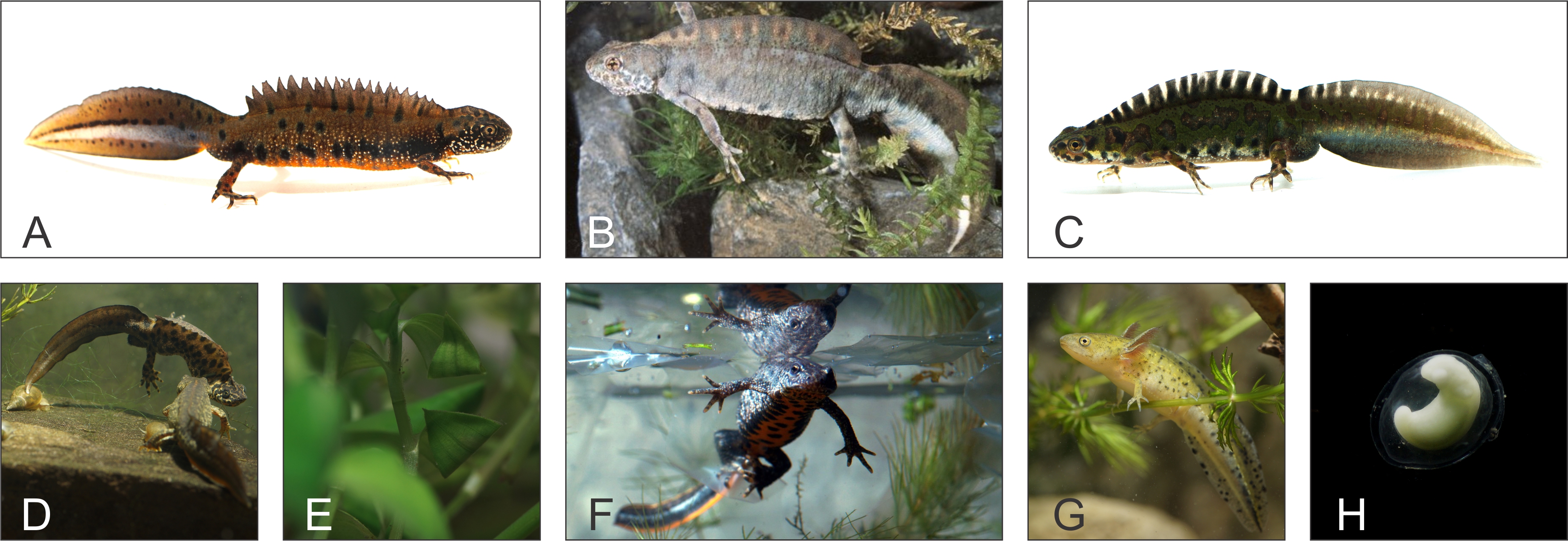
Triturus is great, showing intricate ritualized mating behaviour where males congregate at leks and perform elaborate dances to wow the females, representing an adaptive radiation reflecting gradients of aquaticness, providing strong support for the hypothesis of historical hybrid zone movement, and representing the best-known example of an evolutionary enigma known as a balanced lethal system – as I explain in a new ‘quick guide’ published in Current Biology.
37 quick guide
Thanks to Michael Fahrbach and Paolo Mazzei for use of their pictures in the compilation accompanying the quick guide.

Reference: Wielstra, B. (2019). Triturus newts. Current Biology 29(4): R110-R111.

MSCactions

This project has received funding from the European Union’s Horizon 2020 research and innovation programme under the Marie Skłodowska-Curie grant agreement No. 655487.
Posted in Uncategorized | Leave a comment

Finally! A resolved crested newt phylogeny

The main motivation to conduct the outgoing phase of my Marie Skłodowska-Curie fellowship at the University of California, Los Angeles was to design a ‘sequence capture by target enrichment’ pipeline for Triturus. At UCLA, Evan McCartney-Melstad and Brad Shaffer possess the necessary experience as they use this technique for their system of hybridizing tiger salamanders (genus Ambystoma). Adapting the pipeline to Triturus went superbly and the first paper based on this dataset has now been published in Molecular Phylogenetics and Evolution.

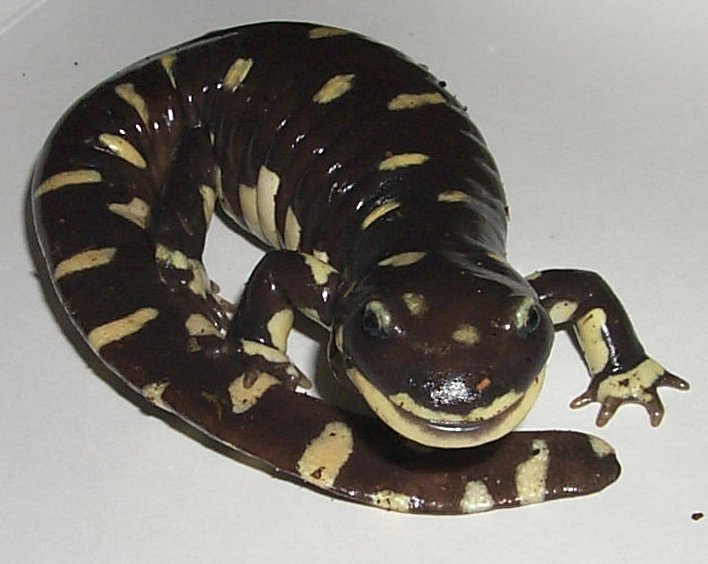
36 A. californiense curled poseCalifornia tiger salamander (Ambystoma californiense) by the Shaffer lab
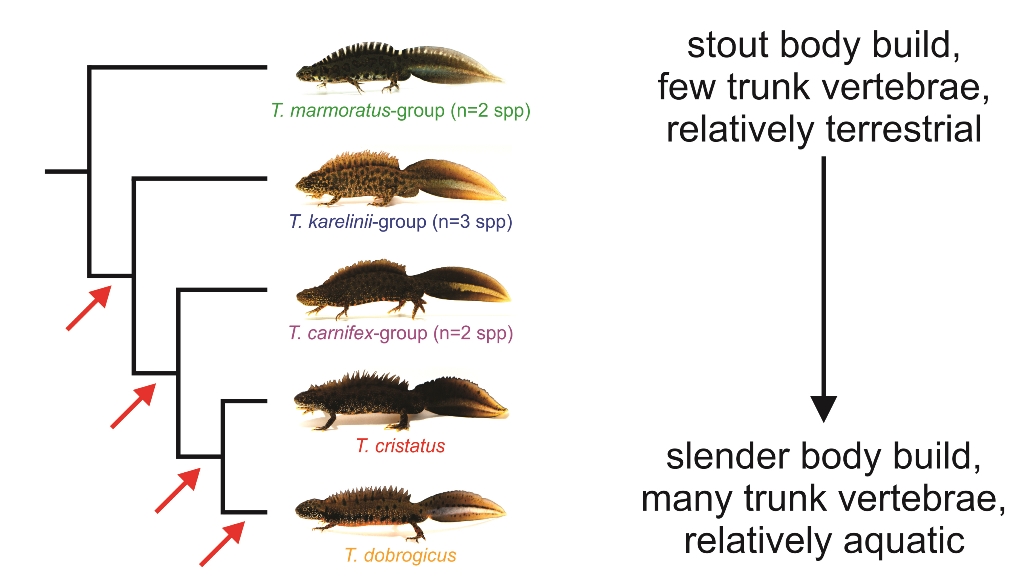

Triturus is an example of an adaptive radiation: the more slender a species’ body build, the longer its annual aquatic period. This suggests a causal relationship between body build evolution and ecological specialization. While adaptive radiations provide some of the best examples of evolution in action (think Darwin finches and cichlid fishes), the relationships between the species involved are notoriously difficult to decipher. This problem also applies to Triturus: despite several attempts, the phylogeny was hitherto unresolved, hampering our ability to retrace the eco-morphological evolution in Triturus.

36 seqcap phylogeny.jpg
The new Triturus tree (the newt pictures are by Michael Fahrbach)

With our ‘sequence capture by target enrichment’ pipeline we can sequence about 6000 DNA markers for the genus Triturus. To try and resolve the Triturus phylogeny we obtained a dataset including representatives of all marbled and crested newt species. Three distinct tree-building methods each recovered the same Triturus tree. Now we were able to place Triturus’ eco-morphological divergence into an evolutionary context: the red arrows on the Triturus tree above show inferred additions of trunk vertebrae, resulting in more slender and aquatic bodies. Our results show that the genus gradually evolved more elongated and aquatic newts. Nice!

Reference: Wielstra, B., McCartney-Melstad, E., Arntzen, J.W., Butlin, R.K., Shaffer, H.B. (2019). Phylogenomics of the adaptive radiation of Triturus newts supports gradual ecological niche expansion towards an incrementally aquatic lifestyle. Molecular Phylogenetics and Evolution 133: 120-127.

MSCactions

This project has received funding from the European Union’s Horizon 2020 research and innovation programme under the Marie Skłodowska-Curie grant agreement No. 655487.
Posted in Uncategorized | 5 Comments

The Wielstra lab at Leiden University and Naturalis

LogosIt’s official, on 1 February I will start my ERC Starting Grant project as a tenure track Assistant Professor at the Institute of Biology at Leiden University in the Netherlands. Meanwhile I will be Honorary Researcher at Naturalis Biodiversity Center. In the context of my project I will hire two PhD students and two postdocs. I expect to start advertising positons halfway 2019, so stay tuned!
ERC - Fahrbach arrest
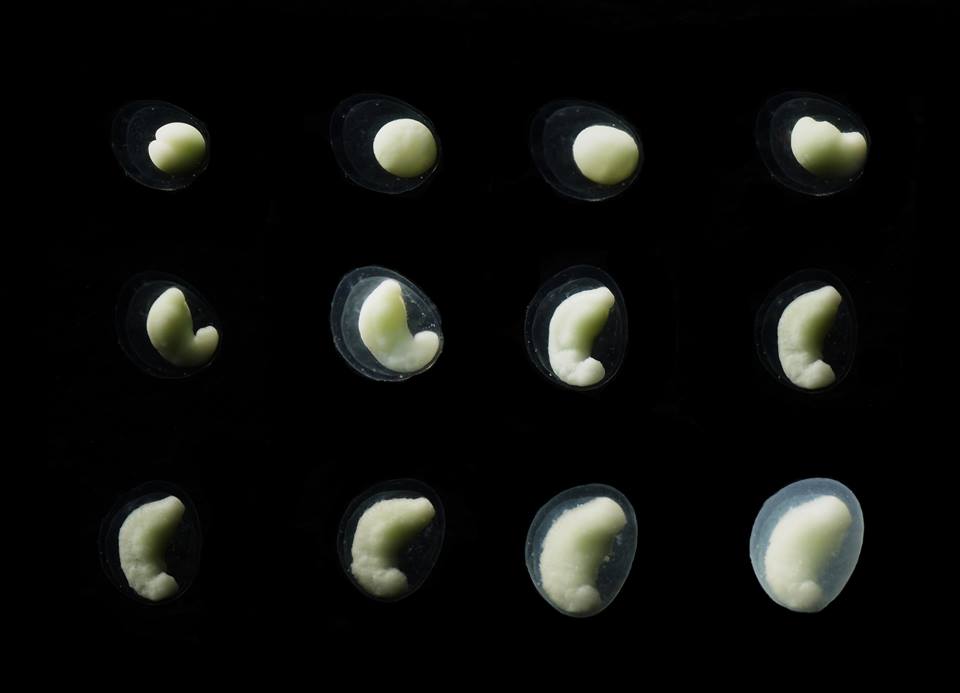
An unfortunate Triturus embryo, experiencing the arrested development that is associated with the balanced lethal system that is shared by all Triturus species, known as ‘chromosome 1 syndrome’. This picture is by Michael Fahrbach and taken from his recent book (Fahrbach & Gerlach (2018) The genus Triturus).

LOGO_ERC-FLAG_EU_

Posted in Uncategorized | Leave a comment

The complicated conservation issue of genetic pollution

car-e1537019478950.jpg
Male T. carnifex. Picture by Michael Fahrbach.

Invasive species can threaten native biota by means of competition, predation and infection. A less-known risk is genetic pollution: the (partial) replacement of local genotypes via hybridization. A particular challenge of quantifying invasive hybridization is that the closely related species involved tend to be morphologically similar. As a consequence, conservation action would depend on large scale genotyping. Addressing genetic pollution is a notoriously contentious issue with complications arising at the stage of obtaining and interpreting information.

In the context of my Marie Skłodowska-Curie fellowship I proposed a secondment at the Invasive Alien Species Team. I collaborated with the Dutch NGO RAVON (Reptile, Amphibian, and Fish Conservation Netherlands) as well. We developed a molecular toolkit that allows that allows efficient screening for genetic pollution in a Dutch case of invasive hybridization in crested newts and that could easily be adapted to other cases of invasive hybridization.

Furthermore, we summarize the state of the field and provide guidelines for establishing much-needed policy for the management of genetic pollution. There are clear parallels between the crested newt case and the work of Brad Shaffer, my outgoing host at UCLA, on tiger salamanders in California. Here the native Californian tiger salamander is threatened by invasive hybridization with the introduced barred tiger salamanders. Brad’s experience helped shape the report we wrote, which I hope can help address the complicated conservation issue of genetic pollution.

Reference: Wielstra, B., Arntzen, J.W., Butlin, R.K., van Delft, J.J.C.W., Vrieling, K., Shaffer, H.B. (2018). Molecular toolkit and guidelines for the management of genetic pollution. Reptile, Amphibian and Fish Conservation Netherlands (RAVON), Nijmegen.

newton_mc
I initiated this work as a Newton International Fellow. This project has received funding from the European Union’s Horizon 2020 research and innovation programme under the Marie Skłodowska-Curie grant agreement No. 655487.
Posted in Uncategorized | 2 Comments

ERC Starting Grant for the Wielstra lab

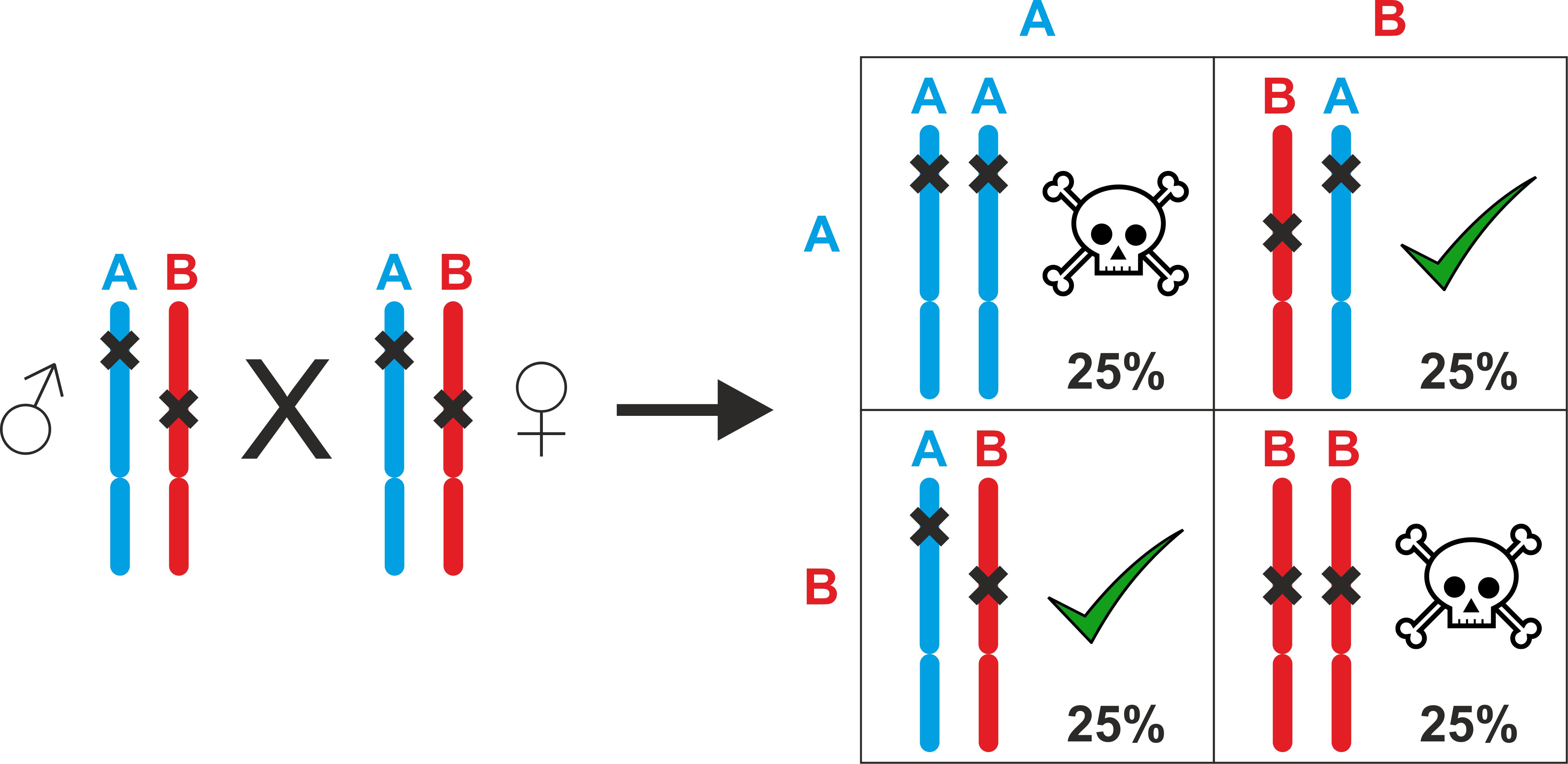
I am pleased to announce that I have been awarded an ERC Starting Grant. In this five year research program I will untangle the evolution of balanced lethal systems. Natural selection is supposed to keep lethal alleles (dysfunctional copies of crucial genes) in check. Yet, in a balanced lethal system the frequency of lethal alleles is inflated. Because two forms of a chromosome (let’s call them A and B) carry distinct lethal alleles that are reciprocally compensated for by functional genes on the alternate chromosome form, both chromosome forms – and in effect their linked lethal alleles – are required for survival (see figure below). The inability of natural selection to purge balanced lethal systems appears to defy evolutionary theory.

BLS FINAL

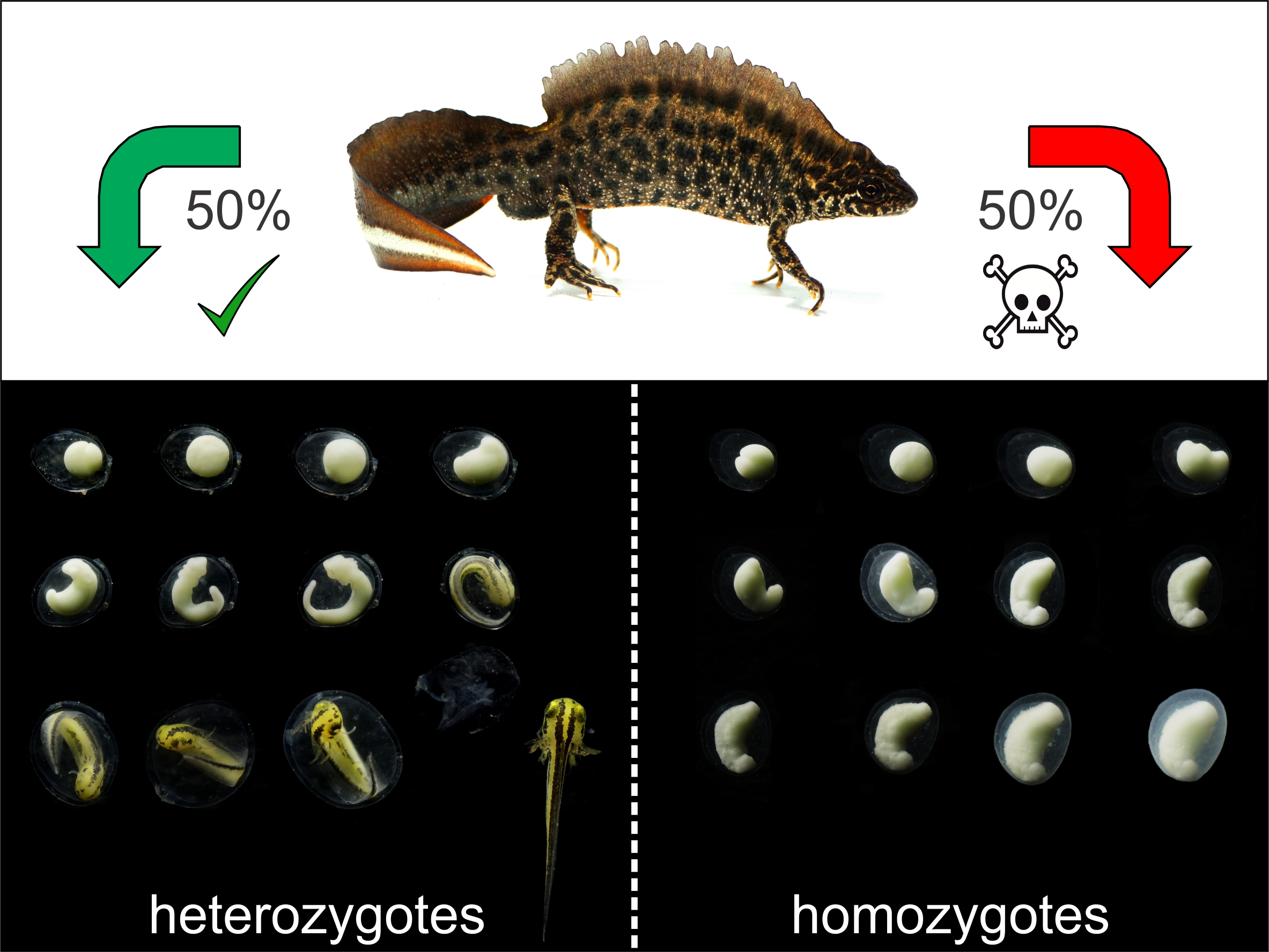
The most illustrious balanced lethal system is observed in Triturus newts and is known as chromosome 1 syndrome. All adult Triturus newts invariably possess two forms of chromosome 1, known as 1A and 1B. Yet, according to the rules of Mendelian inheritance, half of the offspring produced is homozygous (possessing two copies of chromosome 1A or 1B). These homozygotes die halfway embryological development – half of Triturus embryos never hatch! All we currently know about chromosome 1 syndrome derives from classical karyological studies, mainly by Herbert Macgregor and colleagues. Taking advantage of modern genetic techniques, my research team will determine the genomic basis of chromosome 1 syndrome and we will propose a new model on how these bizarre balanced lethal systems could evolve. Keep an eye out on the Wielstra lab* website for all the awesome research that will derive from my ERC Starting Grant.

LOGO_ERC-FLAG_EU_

*Yes, I am allowed to say Wielstra lab now.
Posted in Uncategorized | 12 Comments

No heterosis in hybrid newts

During a 2010 fieldtrip in Serbia, Jelka Crnobrnja-Isailović first introduced us to a cool pond near Vlasi, situated in the hybrid zone between T. ivanbureschi and T. macedonicus. This pond is inhabited by a big crested newt population, with individuals showing a wide range of phenotypes, running from one species to the other, and everything in between. We know that the hybrids between T. ivanbureschi and T. macedonicus are fertile: the genomic footprint of hybrid zone movement left when T. macedonicus displaced T. ivanbureschi strongly supports backcrossing between the two. In a new paper published in PeerJ we genotype a lot of individuals from Vlasi to show that the two parental species truly blend into one another here. An analysis of population demography (based on skeletochronology) shows that the size and longevity of the Vlasi hybrids do not deviate from the two parental species, which is the case for the huge, old and practically infertile hybrids between marbled and crested newts in France. Hence, we find support for the hypothesis that, at least in Triturus, fertile hybrids allocate resources to reproduction and infertile hybrids allocate resources to growth.

18 PeerJ

Reference: Arntzen, J.W., Üzüm, N., Ajduković, M., Ivanović, A., Wielstra, B. (2018). Absence of heterosis in hybrid crested newts (Triturus ivanbureschi x T. macedonicus). PeerJ 6: e5317.

newton_mc
I initiated this work as a Newton International Fellow. This project has received funding from the European Union’s Horizon 2020 research and innovation programme under the Marie Skłodowska-Curie grant agreement No. 655487.
Posted in Uncategorized | Leave a comment

Mapping the smooth newts

The New Atlas of Amphibians and Reptiles of Europe was published in 2014 in the journal Amphibia-Reptilia. In the new atlas, the ‘smooth newt’ and the Carpathian newt were mapped. It turns out that the original smooth newt comprises five different species and the Carpathian newt is a member of the ‘smooth newt Lissotriton vulgaris complex’. To reflect these new developments in smooth newt taxonomy, we used genetic data to approximate the ranges of all six species and compiled a smooth newt distribution database. Our work particularly focused on the Balkan Peninsula and the Carpathians, as here the different species meet in nature. In a paper published in Amphibia-Reptilia we provide atlas maps for the smooth newt complex.

16 atlas Lisso

This is an overview of all the grid cells that have smooth newt localities (with cells having more than one species colored dark rather than light purple and cells for which smooth newts are present but the exact species is unknown colored grey). Maps for the individual species are published with the paper. Note that, because our maps only cover the focus area of the new atlas, part of the ranges of some species are not shown and one species that occurs completely outside of the focal area has no map.

Reference: Wielstra, B., Canestrelli, D., Cvijanović, M., Denoel, M., Fijarczyk, A., Jablonski, D., Liana, M., Naumov, B., Olgun, K., B., Pabijan, M., Pezzarossa, A., Popgeorgiev, G., Salvi, D., Si, Y., Sillero, N., Sotiropoulos, K., Zieliński, P., Babik, W. (2018). The distributions of the six species constituting the smooth newt species complex (Lissotriton vulgaris sensu lato and L. montandoni) – an addition to the New Atlas of Amphibians and Reptiles of Europe. Amphibia-Reptilia 39(2): 252-259.

MSCactions

This project has received funding from the European Union’s Horizon 2020 research and innovation programme under the Marie Skłodowska-Curie grant agreement No. 655487.
Posted in Uncategorized | 1 Comment

Hybrid banded newts introduced in Spain

17 OmmaOmmatotriton nesterovi (left) and O. ophryticus.

The introduction of species outside their native range is worrisome from the point of view of conservation, as they can negatively impact native species. Banded newts naturally occur in the Near East. Yet, an introduced population was recently discovered in Spain. In a paper published in Conservation Genetics we identify the species involved and the geographical origin of the introduced newts. We compare the genotypes of eleven Spanish banded newts with a range-wide phylogeography of banded newts. Surprisingly, all Spanish individuals turn out to be hybrids between two different banded newt species: Ommatotriton ophryticus and O. nesterovi. The ancestors of these hybrids originated from Turkey. We argue that the hybrid nature of the Spanish banded newts makes it (even) harder to predict what their impact on native species might be.

Reference: van Riemsdijk, I., van Nieuwenhuize, L., Martínez-Solano, I., Arntzen, J.W., Wielstra, B. (2018). Molecular data reveal the hybrid nature of an introduced population of banded newts (Ommatotriton) in Spain. Conservation Genetics 19(1): 249-254.

MC NWO
This project has received funding from the European Union’s Horizon 2020 research and innovation programme (under the Marie Skłodowska-Curie grant agreement No. 655487) and the ‘Nederlandse organisatie voor Wetenschappelijk Onderzoek’ (NWO Open Programme 824.14.014).
Posted in Uncategorized | 2 Comments